Locating the Top Roofer: Important Advice for Your Roof Installation
Identifying the most suitable roofer for a project demands careful assessment and detailed evaluation. Homeowners must first identify specific roofing issues and document their findings. Afterward, they should carry out in-depth research on possible contractors. This process involves verifying credentials and gathering insights from previous clients. Understanding how to assess quotes is equally important. As they progress through these phases, property owners may come across difficulties that could affect their determinations. What should they watch for as they proceed?
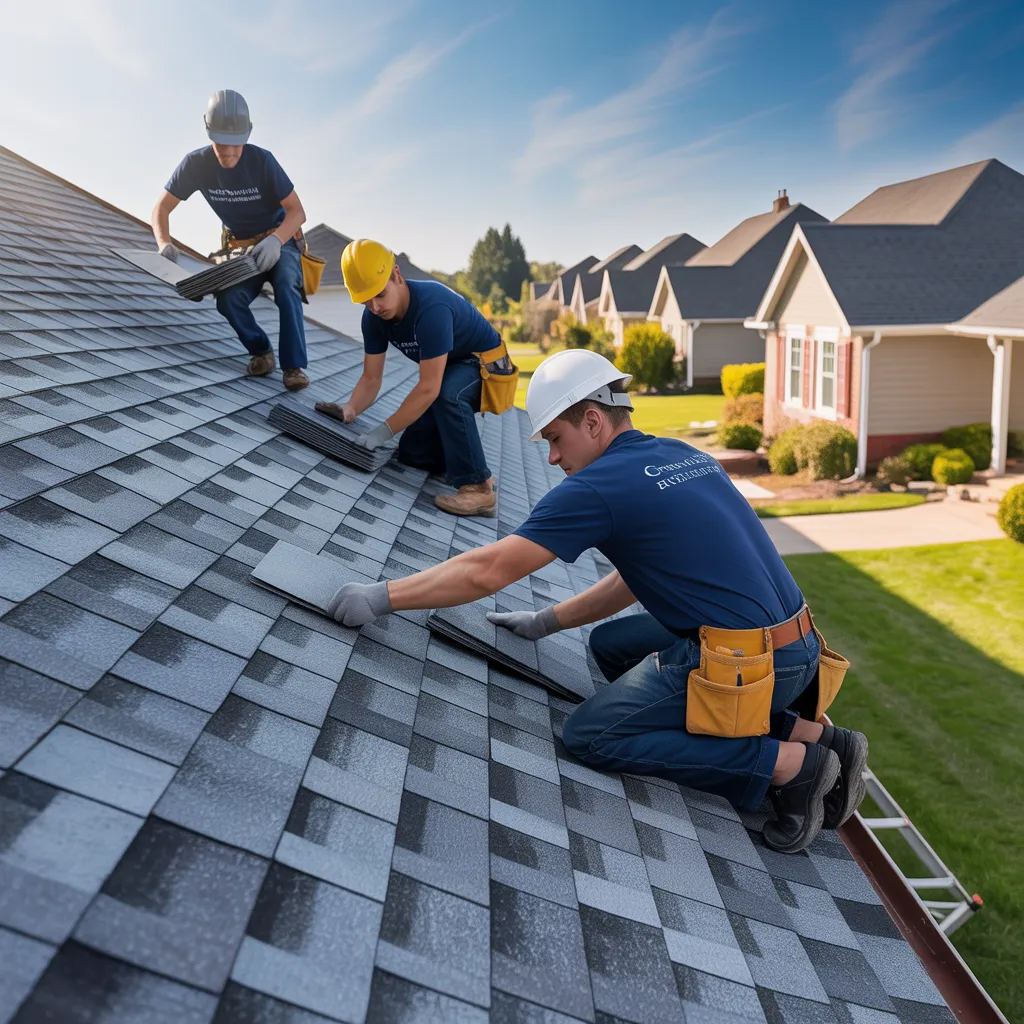
Diagnose Your Roofing Concerns Before Contracting a Roofer
What steps can homeowners take to tackle their roofing concerns prior to bringing in a professional? To begin, homeowners should perform a detailed examination of the roof, identifying obvious indicators of damage like absent shingles, water leaks, or unusual discoloration. Taking photographs to record these problems can offer valuable context during repair discussions. Additionally, homeowners ought to take into account how old their roof is, as this detail can impact the degree of repairs required or the necessity of a complete replacement. It is essential to evaluate the interior of the home for water stains or mold, which may indicate roofing problems. Gathering information on local weather patterns can also help homeowners understand potential risks. Through pinpointing particular problems, homeowners are better equipped to discuss their needs with prospective roofers, guaranteeing more precise evaluations and suggestions. Such a forward-thinking strategy enables homeowners to make well-informed choices, paving the way for a smooth and successful roofing endeavor.
How to Properly Research Roofers
When evaluating roofing professionals, it is important to verify their licensing and insurance to guarantee compliance with local regulations. Furthermore, reviewing their qualifications and knowledge can provide insights into their capabilities. Comparing quotes and services will help in making an informed decision that aligns with specific roofing needs.
Confirm Licensing And Insurance
Before hiring a roofer, it is important to check their licensing and insurance to ensure both credibility and protection. A valid license indicates that the contractor has met the necessary state regulations and standards for roofing work. Homeowners should check with the appropriate local authorities or licensing boards to confirm the roofer's credentials. Moreover, insurance is vital; it safeguards both the homeowner and the contractor in case of unforeseen accidents or damages during the project. Ask for proof of insurance, including both liability and worker's compensation coverage. This step assures that any potential problems are addressed without financial burden on the homeowner. Appropriate licensing and insurance not only reflect professionalism but also promote peace of mind throughout the roofing project.
Assess Experience And Expertise
Verifying a roofer's licensing and insurance lays a solid foundation for a smooth project, but evaluating their knowledge and skill set is just as essential. Homeowners check this resource should assess how long the roofer has been operating, as experienced firms typically have a well-documented history of success. Furthermore, reviewing the categories of roofing work they focus on can reveal their proficiency in particular materials or techniques. Reading customer reviews and asking for references can offer valuable information about their craftsmanship and dependability. It is equally worthwhile to ask about any certifications or training that the roofer has completed, which can strengthen their overall capabilities. Thorough research in these areas helps homeowners make informed decisions about their roofing needs.
Compare Quotes And Services
How can homeowners guarantee they receive the best value for their roofing project? By comparing quotes and services from multiple roofing contractors. This approach requires gathering comprehensive quotes that cover labor costs, materials, and project schedules. Homeowners should not only focus on the lowest price but also consider the quality of materials and warranties offered. It's vital to ask about the scope of work included in each quote, as discrepancies can lead to unexpected costs later. Furthermore, reviewing client testimonials and verifying references can offer valuable perspective on a contractor's dependability and quality of work. At the end of the day, comprehensive research and methodical comparison allow homeowners to make confident decisions, ensuring their roofing project fulfills both cost and quality requirements.
Confirm Credentials and Explore Reviews for Quality Assurance
When hiring a roofing contractor, checking credentials is essential for securing quality craftsmanship. This includes checking for proper licensing and insurance, which protects both the homeowner and the contractor. Moreover, exploring the company's reputation through customer feedback can offer valuable insights into their reliability and craftsmanship.
Verify License and Insurance
Confirming that a roofer carries valid licenses and insurance is critical for any homeowner looking for quality service. A credentialed roofer shows compliance with local regulations and industry standards, offering assurance of their expertise. Homeowners should ask for copies of the roofer's license to confirm its authenticity and guarantee it is current. Additionally, insurance coverage is necessary; it safeguards both the homeowner and the workers in case of accidents or damages during the project. Before hiring, homeowners should make sure that the roofer has adequate liability insurance and workers' compensation. This step not only mitigates financial risks but also reflects the roofer's commitment to professionalism. Taking these precautions helps in selecting a reliable contractor for roofing needs.
Explore Company Standing
Following the confirmation of a roofer's license and insurance, the next step involves investigating the contractor's standing. Future clients ought to browse customer reviews on websites including Google and Yelp to assess client experiences. Good ratings generally reflect dependability and skilled craftsmanship. It is also advisable to seek recommendations from family members, friends, or colleagues who have recently completed roofing projects. Additionally, prospective clients may check the Better Business Bureau (BBB) to discover any reported problems or unresolved matters. A reputable roofer will have a consistent record of handling customer concerns. Connecting with former clients, if possible, can provide valuable insights into the company's practices and professionalism. This detailed evaluation secures educated selections and enhances the likelihood of a smooth roofing experience.
How to Review Roofing Quotes
Reviewing roofing quotes demands a detailed examination of multiple critical factors to secure a solid investment. Residents should first compare the overall costs, including labor and materials, guaranteeing transparency in pricing. It is critical to assess the work details specified in each quote; a thorough breakdown makes it easier to detect any hidden charges.
After that, assess the materials being recommended. Quality must never be traded away for a cheaper option, as durable materials can save money in the long run. In addition, review the warranty provided; a strong warranty demonstrates trust in the quality of work and materials used.
In conclusion, evaluate the schedule for project finalization. Estimates should include projected start and completion dates, which aids in planning. By meticulously analyzing these elements, homeowners can make informed decisions that match their budget and anticipated project outcomes, ensuring a successful roofing project.
Questions to Ask Your Roofer at the First Meeting
What key questions should homeowners ask during their first consultation with a roofer? First, they should inquire about the roofer's licensing and insurance to guarantee compliance with local regulations and protection against potential liabilities. Homeowners should further question the roofer about their experience, specifically with related projects, to evaluate their proficiency. Questions concerning the materials that will be used and the warranty available can shed light on the overall quality of the project. Moreover, homeowners should address the anticipated project timeline, verifying that it is consistent with their requirements. It's essential to discuss the payment terms and any financing solutions that may be offered. In conclusion, homeowners should ask for references from former clients to determine the roofer's track record and craftsmanship. By exploring these key points, homeowners can make educated decisions, laying the groundwork for a successful roofing endeavor.
Warning Signals to Watch for in Unqualified Roofing Contractors
Identifying unqualified roofers is essential for homeowners to avoid costly mistakes. Multiple warning indicators can suggest an absence of expertise or professional conduct. First, be wary of roofers who provide estimates without a thorough inspection. This frequently suggests an absence of thoroughness or expertise. Furthermore, a lack of appropriate licensing and insurance should trigger instant alarm, as it leaves homeowners vulnerable to financial responsibility.
Another warning sign is the use of high-pressure sales tactics. Reputable contractors should permit customers to evaluate their options carefully rather than push them to decide hastily. Moreover, a lacking internet presence, including bad ratings or little social media visibility, can indicate questionable trustworthiness. Lastly, if a roofing professional cannot supply a thorough contractual document, it may indicate unprofessionalism. Property owners would be wise to take note of these warning signs to make certain they hire a competent and dependable roofing contractor for their roofing project.
Frequently Asked Questions
What Is the Typical Duration of a Roofing Project?
Commonly, a roof installation can last anywhere between a few days to 2 weeks to finish, influenced by factors including the roof's size, complexity, weather conditions, and the roofing crew's skill level and efficiency.
What Are the Best Materials for My Climate?
In areas prone to heavy snow accumulation, metal roofing proves to be the best choice, while asphalt shingles are well-suited for moderate climates. In warmer climates, clay tiles or heat-reflective materials play a key role in reducing heat buildup, ensuring durability and energy efficiency in diverse conditions.
How Can I Maintain My Roof After Installation?
Routine inspections, removing debris, upkeeping gutters, and identifying leaks are critical for roof upkeep after installation. Addressing minor issues promptly can prevent significant damage, extending the roof's lifespan and ensuring peak performance throughout its use.
Do Roofing Services Come with Warranties?
Indeed, multiple warranty options exist for roofing projects, commonly including materials and workmanship. Property owners are encouraged to ask about the particular details, including the length and scope of coverage, to guarantee adequate protection for their roof-related investment.
What Insurance Should Roofers Carry for Protection?
Roofers are required to carry liability insurance to cover potential property damage, workers' compensation for on-the-job employee injuries, and also commercial auto insurance for vehicles used in their operations. These cover both the contractor and the homeowner from unforeseen issues.